DELIVERY: DE, BE, NL - 100% HALAL - FRESH - FREE DELIVERY FROM €150
- Delivery time: 1-2 working days
- Healthy meals
- Delivery within the Netherlands, Belgium & Germany
- 100% halal

DELIVERY: DE, BE, NL - 100% HALAL - FRESH - FREE DELIVERY FROM €150
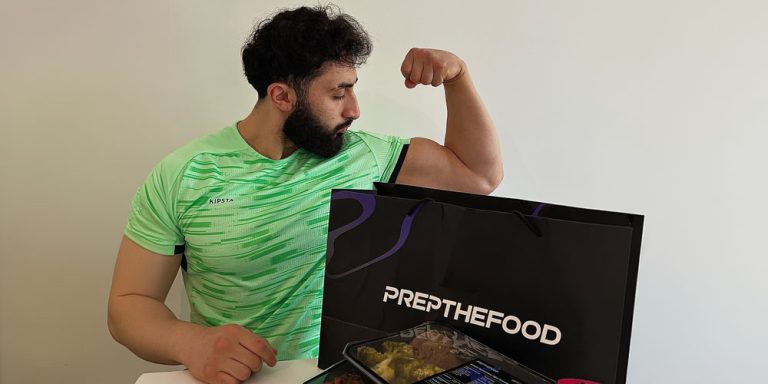
Bulking is a popular strategy among strength trainers and fitness enthusiasts focused on building muscle mass. The idea is simple: by consuming more calories than you burn, you give your body the fuel it needs to build muscle. But while bulking can be effective, there's more to it than simply eating a lot. In this blog post, we'll delve deeper into what bulking actually entails, the different types of bulking, and how to maximize this process to achieve your fitness goals. Because food is important, but so is the right training!
Bulking is the process of deliberately consuming more calories than your daily energy needs to build muscle mass. The goal is to create an anabolic environment in which your muscles can recover and grow faster after intense strength training. People choose bulking because it's an efficient way to increase muscle mass and build strength. Simply put: eating more calories than you burn + strength training = muscle building. Therefore, it's crucial to know how many calories you need to lose weight. You can calculate this online with various calorie calculators. Note: this is always an estimate! You need to try, evaluate, and adjust to make lasting progress.
The difference between bulking and cutting lies in their goals. Bulking focuses on building muscle mass by creating a calorie surplus. Cutting, on the other hand, involves reducing body fat while maintaining muscle mass, which often involves a calorie deficit. It's important to distinguish between these two phases, as they require different nutrition and training strategies. In both cases, following a nutrition plan is recommended.
There are two popular approaches to bulking: lean bulk and dirty bulk.
Lean Bulk: This diet focuses on building muscle mass with minimal fat gain by maintaining a small calorie surplus and eating primarily clean, unprocessed foods. The advantages are less fat gain and an easier cutting process. The disadvantage is that muscle growth may be slower because you're eating slightly above your calorie needs.
Dirty Bulk: This method involves eating whatever is readily available, including many processed and high-calorie foods, to gain weight as quickly as possible. Advantages include rapid weight gain and fewer restrictions. Disadvantages include greater fat gain and a more difficult cutting process because you're eating far beyond your calorie needs.
When bulking, it's essential to monitor both your micronutrients and macronutrients. Macronutrients, such as protein, carbohydrates, and fats, provide the energy and building blocks your body needs. Protein is especially important for muscle recovery and growth, while carbohydrates provide energy for heavy workouts.
Micronutrients, such as vitamins and minerals, support numerous bodily functions, including your immune system and hormonal balance. Ultra-processed foods often contain few micronutrients and many empty calories, emphasizing the importance of choosing nutritious bulk meals. Ultra-processed foods include soft drinks, cookies, candy, meat substitutes, and more.
Diet plan: 3250 Kcal
| Meal | Quantity | Product | Calories | Proteins | Carbohydrates | Fats |
| Breakfast | Prep Oats | High Protein Oats | 521 Kcal | 37.7g | 68.3g | 10.8g |
| 225 ml | Whole milk | 140 Kcal | 8.3g | 8.7g | 7.7g | |
| 1 piece | Egg | 78 Kcal | 6g | 3g | 5.5g | |
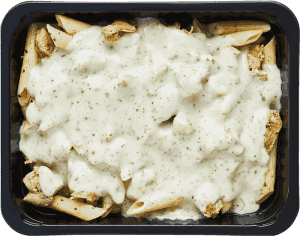
| Lunch | Prep meal | Pasta Cream Sauce Chicken | 579 Kcal | 42.2g | 63.9g | 17.7g |
| 1 scoop | Prep Nutrition Whey | 112 Kcal | 25.5g | 0.8g | 0.8g | |
| 250ml | Whole milk | 152 Kcal | 8.2g | 11.2g | 8.5g | |
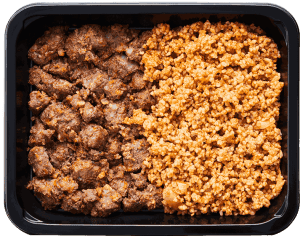
| Dinner | Prep meal | Et Sote Turkse Bulgur | 729 Kcal | 35.1g | 53.5g | 42.8g |
| 1 piece | Prep Brownie | 205 Kcal | 7.4g | 28.2g | 11.5g | |
| Snack | 100g | Almonds | 609 Kcal | 19.5g | 10.4g | 52g |
| 1 piece | Banana | 120 Kcal | 1g | 31g | 0g | |
| Total | 3245 Kcal | 190.9g | 280g | 157.3g |
In this diagram we have meals from Prep The Food Processed with at least 500 kcal. We've done this because you want at least 500 kcal per hot meal to easily reach your calorie goal. You also want to easily incorporate foods like almonds or a banana, as these can easily add 600+ kcal to the total. This way, you'll quickly reach your calorie needs without feeling full. View here more examples of diet plans to gain weight.
When bulking, it's crucial to have a well-balanced diet that provides enough calories to stimulate muscle growth without excessive fat gain. Make sure you get the right amounts of protein, carbohydrates, and healthy fats daily. Planning your meals and snacks will help you stay consistent and achieve your goals.
A good training plan is essential during bulking to ensure that the extra calories you consume are converted into muscle mass instead of fat. Focus on heavy strength training, concentrating on compound exercises like squats, deadlifts, and bench presses. Vary your repetitions and sets to constantly challenge your muscles and stimulate growth. Each training plan is personalized and depends on factors such as training level, weight, age, gender, training goals, and frequency.
By finding the right balance between nutrition, training, and recovery, you can successfully bulk and achieve your fitness goals. Use this blog as a guide to create your own bulking plan and integrate Prep The Food meals for optimal results.
Coupon copied
Log in with your personal Prepthefood account
Or
Don't have a Prep Account yet?
Register in just a few steps and create your own Prep Account for personalized offers and promotions.
Register now and create a personal Prep Account
Or