Deliveries throughout DE, NL & BE!
- Delivery time: 1-2 working days
- Healthy meals
- Delivery within NL & BE
- 100% halal

Deliveries throughout DE, NL & BE!

HYROX is an intense and versatile sports competition that combines running with functional fitness exercises like sled pushes, wall balls, rowing, and lunges. This sport requires not only strength and endurance, but also a diet that supports this physical demand. In this article, we'll delve into the best diet to follow during HYROX training, focusing on the role of macronutrients, meal timing, hydration, and supplementation.
Food is the fuel your body runs on. During HYROX, you use different energy systems: the aerobic system for endurance efforts (like an 8 km run) and the anaerobic system for short, explosive efforts (like sled pushes and burpee broad jumps). Your diet should therefore be varied, focusing on carbohydrates, proteins, and fats.
Every Hyrox athlete, from beginner to advanced, should start by building a strong foundation. This means improving your aerobic capacity (fitness) and building your functional strength. In the first 6 to 8 weeks of your training, the focus is on:
Endurance training builds your stamina, while strength training provides the physical capacity needed to push sleds or do lunges with a sandbag. In this phase, train 4 to 5 times a week, alternating between heavy and easy sessions.
Carbohydrates are essential for HYROX athletes. They are stored in the muscles and liver as glycogen, which is broken down into glucose during exercise for energy. Without sufficient glycogen, performance will rapidly decline.
For a HYROX training regimen It's important to consume sufficient carbohydrates daily. Depending on training intensity, your daily carbohydrate intake ranges from 5 to 7 grams per kilogram of body weight. During an intensive training day or a competition, this can increase to 8-10 grams per kilogram.
Sources of complex carbohydrates like oatmeal, sweet potato, whole-wheat pasta, quinoa, and brown rice provide long-lasting energy. Simple carbohydrates like fruit or sports drinks are especially helpful around training or during competitions here all information about carbohydrates.
Proteins are the building blocks of muscle. HYROX combines strength and endurance training, meaning both muscle recovery and muscle growth must take place. A protein deficiency can lead to reduced muscle mass and slower recovery.
The recommended intake is between 1.6 and 2.2 grams per kilogram of body weight per day. This amount supports muscle recovery, prevents muscle breakdown, and helps with adaptation to training stimuli.
Good sources of protein include chicken breast, eggs, low-fat cottage cheese, tofu, lentils, fish, and plant-based protein powders like pea or rice protein. Distributing your protein intake throughout the day is crucial: each meal should contain about 20-40 grams of protein, depending on your weight our nutritional schedules for inspiration or as an example of how best to organize this, check our blogs for more information about proteins.
Although fats Often seen as negative, they are essential for hormonal balance and long-term energy supply. They also play a role in the absorption of fat-soluble vitamins (A, D, E, K) and in anti-inflammatory processes.
Unsaturated fats from sources like avocado, olive oil, nuts, seeds, and oily fish (such as salmon) are particularly valuable. Avoid trans fats and limit saturated fats. Fat intake should be around 25-30% of your total daily calorie intake.
What you eat is important, but when What you eat is just as important. The timing of your meals can significantly impact your performance and recovery.
Supplements are not a substitute for food, but can complement certain aspects of your diet.
Note: Don't use supplements without first having your basic nutrition in order. Test them during training, not during a competition.
Adequate hydration is crucial for thermoregulation, muscle function, and preventing cramps. During HYROX, you lose a significant amount of fluid through sweating. A fluid deficit of just 2% of your body weight can impact your performance.
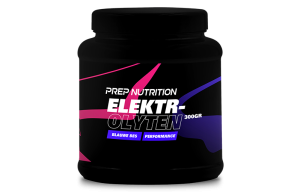
Drink water throughout the day and replenish during training. Weigh yourself before and after your workout to see how much fluid you're losing, and try to replace it with 1.5 times the amount of fluid you lost. Electrolytes such as sodium, potassium and magnesium are important to supplement during prolonged exertion.
| Meal | Quantity | Product | Calories | Egg white | Koolh. | Fat |
|---|---|---|---|---|---|---|
| Breakfast | Prep meal | Scrambled eggs natural | 471 Kcal | 42.8g | 0.7g | 32.7g |
| 2 slices | Whole wheat bread | 138 Kcal | 7g | 24g | 2g | |
| 1 piece | Avocado | 220 Kcal | 3g | 12g | 20g | |
| Lunch | Prep meal | Chicken Wraps | 418 Kcal | 23.3g | 42.6g | 20.2g |
| Dinner | Prep meal | Pasta bolognese | 576 Kcal | 31.5g | 79.2g | 14.8g |
| 1 piece | Prep brownie | 205 Kcal | 7.4g | 28.2g | 11.5g | |
| Snack | 50 g | Almonds | 304 Kcal | 9.3g | 5.2g | 26g |
| 2 pieces | Mandarins | 176 Kcal | 1g | 44g | 0g | |
| Total | 2508 Kcal | 125.3g | 235.9g | 127.2g | ||
During the build-up to a HYROX competition, your training goals will change, and so will your nutritional needs.
The best diet for HYROX training is one that balances macronutrients, aligns with training times, and provides sufficient variety and micronutrients. By consciously choosing what, when, and how much you eat, you can maximize your performance, recover faster, and confidently approach your next HYROX.
Nutrition isn't an afterthought: it's an integral part of your training. Taking your diet seriously will help you gain ground on the floor. Good luck!
Coupon copied
Log in with your personal Prepthefood account
Or
Don't have a Prep Account yet?
Register in just a few steps and create your own Prep Account for personalized offers and promotions.
Register now and create a personal Prep Account
Or