Deliveries throughout DE, NL & BE!
- Delivery time: 1-2 working days
- Healthy meals
- Delivery within NL & BE
- 100% halal

Deliveries throughout DE, NL & BE!

Micronutrients are essential nutrients that the human body needs in small amounts, yet they exert a significant influence on our health. Unlike macronutrients like carbohydrates, fats, and proteins, micronutrients don't provide direct energy but are crucial for the body's proper functioning. They primarily include vitamins and minerals, each with their own specific functions. In this article, we'll delve deeper into the different types of micronutrients, their functions, and why it's so important to get enough of them.
Vitamins are essential for growth, recovery, a well-functioning immune system, and energy metabolism. There are thirteen essential vitamins, divided into fat-soluble (A, D, E, and K) and water-soluble (C and B vitamins).
Vitamin A Plays a key role in vision, skin health, and defense against infections. A deficiency of this vitamin can lead to night blindness and weakened immunity.
Good sources of vitamin A:
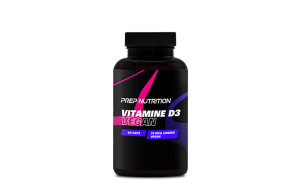
Vitamin D Is crucial for the absorption of calcium and phosphorus and contributes to strong bones. The body can produce this vitamin itself under the influence of sunlight, but it's also found in oily fish and fortified products. Deficiencies are relatively common and can cause rickets or osteoporosis.
Good sources of vitamin D:
Vitamin E Works as a powerful antioxidant and protects cells from damage. This vitamin is found in vegetable oils, nuts, seeds, and green leafy vegetables. A deficiency can lead to muscle weakness and neurological problems.
Good sources of vitamin E:
Vitamin K Is essential for proper blood clotting and bone health. It's found primarily in green leafy vegetables and is also produced by gut bacteria. A deficiency can lead to excessive bleeding.
Good sources of vitamin K:
Vitamin C Supports the immune system, acts as an antioxidant, and improves iron absorption. Citrus fruits, bell peppers, and kiwi are excellent sources. A prolonged deficiency causes scurvy and delayed wound healing.
Good sources of vitamin C:
Dthe B vitaminsVitamins, including B1 (thiamine), B2 (riboflavin), B3 (niacin), B6, B12, folic acid, and biotin, are involved in energy production, nerve function, and DNA synthesis. Deficiencies can cause a wide range of symptoms, from fatigue and anemia to neurological disorders.
Good sources of vitamin B:
Minerals are essential for various bodily processes, such as bone formation, muscle function, nerve conduction and enzyme activity.
Calcium It is the most abundant mineral in the body and essential for strong bones and teeth, muscle contraction, and nervous system signal transmission. Milk, cheese, and green leafy vegetables are good sources. A deficiency increases the risk of osteoporosis.
Iron Iron is essential for oxygen transport via hemoglobin in the blood. A deficiency causes anemia, with symptoms such as fatigue and shortness of breath. Iron is mainly found in red meat, legumes, and spinach.
Magnesium It supports hundreds of enzymatic processes and is important for muscle and nerve function. It is found in nuts, seeds, and whole grains. Deficiencies can cause heart rhythm disturbances and muscle cramps.
Zinc Is crucial for immunity, wound healing, and cell division. It's found in meat, dairy, and legumes, among other foods. A deficiency leads to delayed healing, hair loss, and reduced immunity.
Iodine Iodine is necessary for the production of thyroid hormones. These hormones regulate metabolism, among other things. Iodine is found in iodized salt, dairy products, and seafood. A deficiency can lead to an enlarged thyroid gland (goiter).
Selenium Is an important antioxidant and supports both the immune system and thyroid function. Rich sources include Brazil nuts, fish, and whole grains. A deficiency can cause muscle weakness and increased susceptibility to infections.
Although we only need micrograms or milligrams per day, micronutrients are essential for our functioning. Deficiencies can develop slowly but ultimately lead to serious and sometimes irreversible damage. People with a limited diet, the elderly, alcoholics, and those with chronic conditions are particularly at risk.
Moreover, micronutrients interact. For example, vitamin C improves the absorption of plant-based iron, while calcium can hinder it. A well-balanced diet takes these interactions into account.
There is growing evidence that adequate micronutrient intake reduces the risk of chronic diseases. Antioxidants such as vitamins C, E, and selenium protect cells from oxidative damage, which is linked to cardiovascular disease and cancer. Vitamin D appears to play a protective role against autoimmune diseases and depression. Maintaining optimal levels of these nutrients is therefore important not only preventively but also therapeutically.
Ideally, we get all the micronutrients we need from our diet. However, that's not always feasible. Pregnant women, for example, need extra folic acid and iron, while older adults often benefit from supplemental vitamin D and B12. Vegans are at risk for deficiencies in B12, iron, calcium, and zinc.
For people with a medical condition such as celiac disease or inflammatory bowel disease, supplementation may be necessary. However, caution is advised. Too much fat-soluble vitamins like A and D can be harmful. Therefore, it is advisable to only take supplements after consulting a doctor or dietitian.
What you eat is important, but when What you eat is just as important. The timing of your meals can significantly impact your performance and recovery.
Micronutrients play a key role in virtually all bodily functions, from cell growth to immunity. Despite their small required amounts, they are essential for our health. A varied and balanced diet remains the best way to prevent deficiencies. In specific situations, supplements can help, provided they are carefully considered and taken under the guidance of a professional. Those who pay attention to their micronutrient status build a solid foundation for a healthy and vital life.
Coupon copied
Log in with your personal Prepthefood account
Or
Don't have a Prep Account yet?
Register in just a few steps and create your own Prep Account for personalized offers and promotions.
Register now and create a personal Prep Account
Or